
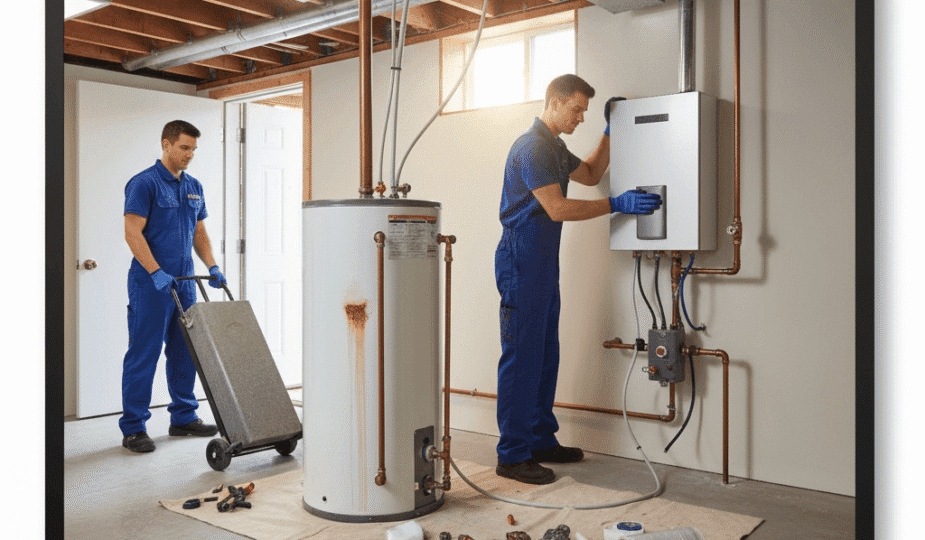
Replacing an aging water heater can be one of those home projects that nags at you until it is handled. Cold showers, unusual noises, rusty water, and sudden leaks are all signs that your water heater may be close to the end of its useful life. Knowing when to act and what options to consider helps you save money and avoid emergency calls that come at inconvenient times.
This guide breaks down the practical steps for evaluating an old unit, choosing the right replacement, and planning the work so the swap goes smoothly. I will include clear examples, cost ranges, and safety tips so you can make an informed choice and feel confident about the next move.
Common signs that point to replacing aging water heaters
Recognizing the warning signs early gives you time to plan a replacement on your terms. Watch for these indicators.
- Age Most traditional tank water heaters last about 8 to 12 years. If your unit is over a decade old, consider replacement even if it seems to be working.
- Rusty or discolored hot water Rust in hot water can mean corrosion inside the tank. That corrosion often leads to leaks.
- Odd noises Popping or rumbling noises often indicate sediment buildup on the tank bottom which lowers efficiency and can shorten life span.
- Frequent repairs If you are calling for repairs more than once a year, the total cost may exceed the price of a new unit.
- Leaks Any leak from the tank means replacement is imminent. Leaks can cause water damage quickly.
How water heaters age and what shortens useful life
Understanding the common failure modes helps you spot problems early and choose features that reduce future risk.
- Corrosion The tank interior is protected by a sacrificial anode rod. When that rod is depleted the tank starts to corrode.
- Sediment buildup Hard water deposits settle in the bottom of the tank and cause heating elements or burners to work harder.
- High operating temperature Constantly set high temperatures increase wear on the system and on appliances that use hot water.
- Poor maintenance Skipping regular flushing and inspection accelerates problems that lead to failures.
Overview of replacement types and how to pick the best fit
Options include traditional tank models and tankless units. Each has trade offs that matter depending on household needs.
- Conventional tank units More affordable up front and available in many sizes. Good for households with predictable hot water demand.
- Tankless units Provide on demand hot water with smaller footprint. They can save energy for households with lower continuous hot water use and with the right installation.
- Hybrid heat pump water heaters Use electricity more efficiently in warm spaces and can lower operating costs where conditions allow.
Choosing capacity and temperature
Match tank size to household peak hour demand. A family of four often needs a 50 gallon tank whereas a single occupant may do well with 30 gallons. For tankless units check the flow rate rating and temperature rise to match typical fixtures.
Energy factors and running cost examples
Look for energy factor numbers and estimated annual operating cost. A typical electric tank model might cost more to run than a gas tank model in many areas. A tankless unit can cut annual energy use by a noticeable margin in some cases. Run rough calculations using local energy prices and your estimated hot water consumption to compare options.
Cost factors and budgeting for replacement
Replacement price depends on equipment, labor, materials, and any upgrades. Here are items to include in a budget.
- Equipment Entry level tank models can be lower cost while tankless and heat pump models carry higher purchase prices.
- Labor A straight swap for a like model may take a few hours. Converting from tank to tankless or moving a unit can take more time and special permits.
- Materials and hookups New venting, gas lines, expansion tanks, or new electrical circuits add to the bill.
- Permits and inspections Local codes often require permits. Factor that into time and cost.
Typical cost ranges
Simple replacement of a tank unit generally falls in a moderate range including labor. Tankless units and heat pump models increase cost substantially up front though they may lower operating expense over many years. Get itemized bids that separate parts and labor so you can compare apples to apples.
When to tackle the project yourself and when to call a professional
Some handy homeowners can do a like for like swap if they have plumbing and electrical experience. However there are risks and code requirements that favor professional help.
- Do it yourself if The replacement is the same model type, you have the tools, and you understand local codes.
- Hire a professional if You are changing fuel types, installing a tankless unit, moving the unit location, or need new venting or electrical work.
Major work often needs a permit and inspection. A licensed technician will handle permits and meet local code. If you decide to hire, look for tradespeople with clear pricing and written warranties for parts and labor. For a full service option check water heater replacement providers who handle permits and follow local rules.
Step by step overview of a typical replacement process
Knowing the stages helps you plan for downtime and arrange any temporary needs like hot water access.
- Pre job inspection A technician checks existing piping, venting, fuel supply, and location constraints.
- Obtain permits If required a permit is filed before work begins.
- Drain and disconnect The old unit is drained and disconnected from water and fuel or electricity.
- Install new unit New connections are made, venting or electrical work completed, and code required safety devices installed.
- Test and adjust The system is pressurized, tested for leaks, and thermostat settings adjusted. The installer demonstrates operation.
- Inspection If a permit was obtained an inspector verifies correct installation.
Practical maintenance tips to extend the life of a new water heater
Good maintenance helps the unit run reliably and keeps operating cost lower over time.
- Flush the tank annually Flushing removes sediment that causes noise and inefficiency.
- Check and replace the anode rod Every few years check the rod and replace when heavily corroded.
- Lower the temperature setting A lower thermostat setting reduces wear and saves energy while still providing safe hot water.
- Check pressure relief valve Test the valve annually to confirm it releases and reseals properly.
- Schedule inspections A yearly inspection by a qualified technician will catch small issues before they become costly repairs.
Safety and code considerations every homeowner should know
Gas fired units require proper venting and a sufficiently sized gas line. Electrical units need a properly rated circuit and breaker. Over pressure and temperature relief devices must be installed and routed to a safe drain. Local codes vary so permit checks matter. If you smell gas shut off the gas supply and leave the home then call the gas company or a professional. If water is leaking from the tank shut off the water supply to limit damage.
When you are ready to move forward you may want a single source that handles inspection, permitting, installation, and cleanup. For a detailed service that covers the planning and installation of a new system consider a reputable local contractor who lists clear pricing and written service guarantees. If you prefer to read more about professional options this resource outlines the full service process and common choices for different homes water heater replacement.
Replacing an aging water heater does not need to be stressful. Start by checking the age and condition of your unit then compare the short term cost and long term operating cost of the main options. Obtain at least two itemized estimates that include permit fees and a written timeline. If you opt for a higher efficiency model factor in payback time and maintenance needs. After installation follow a simple maintenance routine to protect your investment for years to come.
When you decide to act plan for minimal disruption. Arrange hot water alternatives for the day of the swap and clear access around the unit for technicians. Keep records of the new unit serial number, warranty paperwork, and the installer contact information. With a bit of preparation you can replace an aging water heater on your schedule and return to a steady supply of safe hot water quickly. If you want help comparing models or scheduling an inspection contact a licensed professional for a site visit and precise pricing estimate.